An Evening of Polar Insight and Global Responsibility with Jean-Louis Etienne
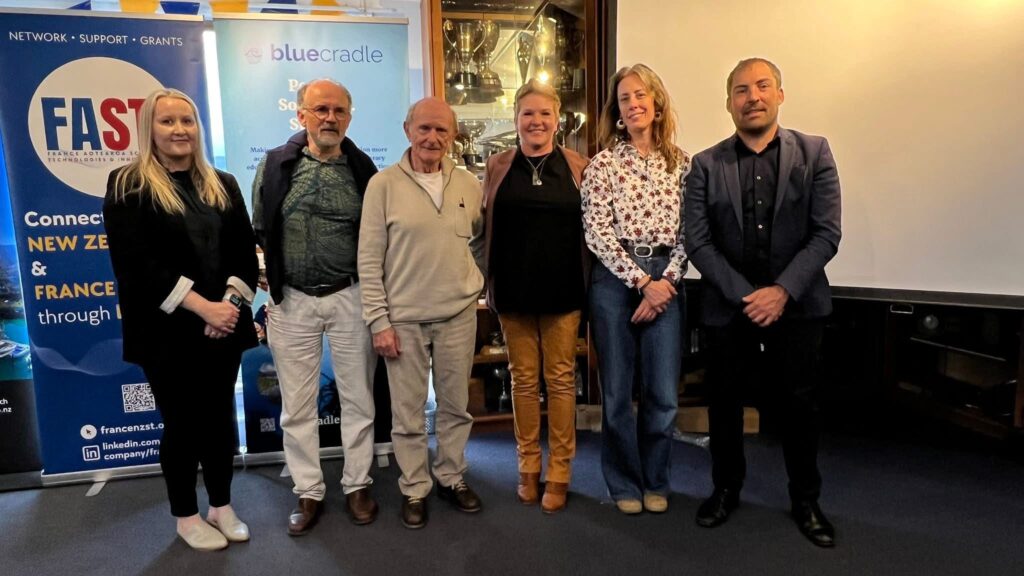
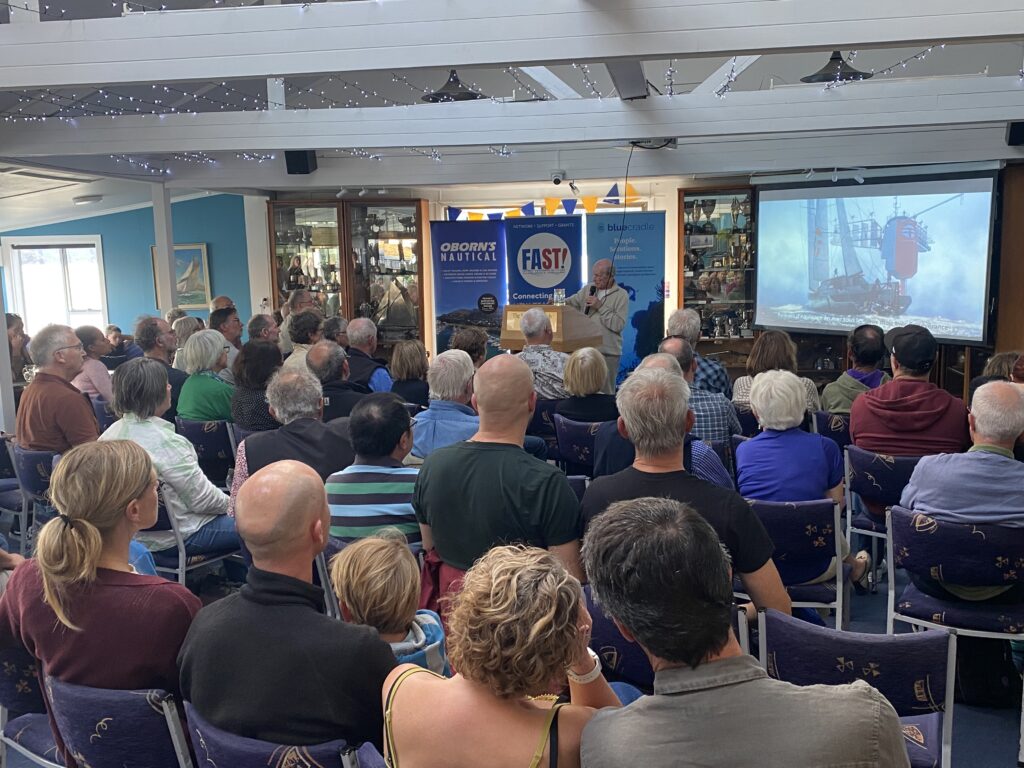
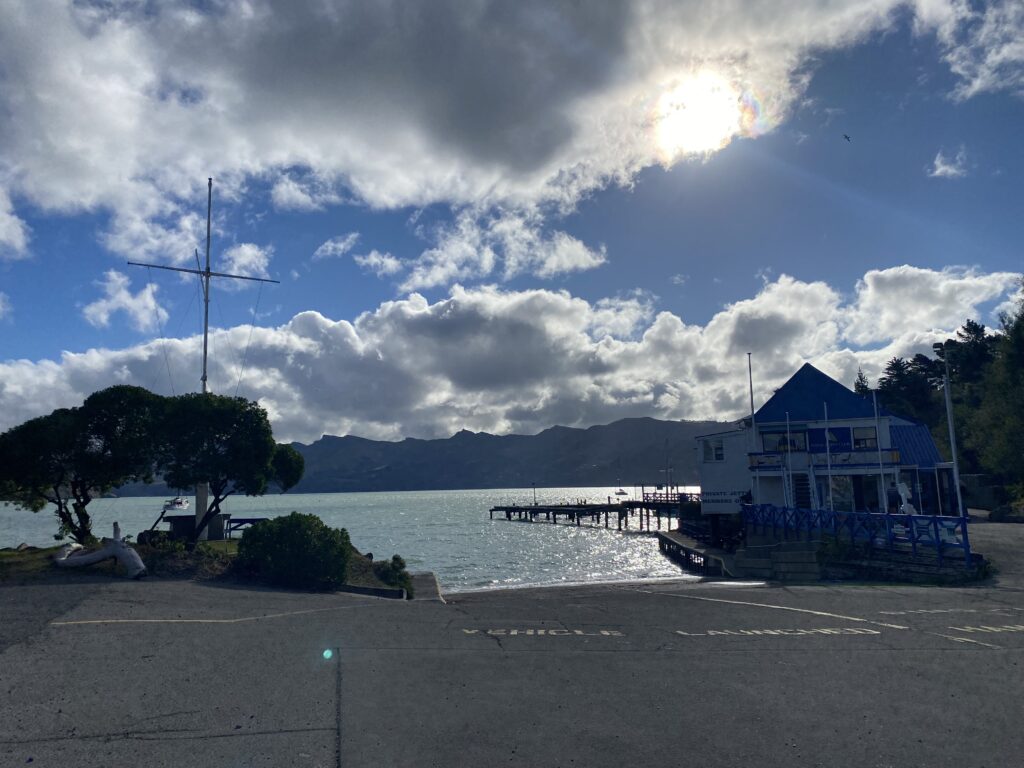
On the evening of Saturday 17th January, a packed audience gathered at Naval Point Club in Lyttelton for an inspiring public talk by renowned polar explorer Jean-Louis Etienne, hosted in partnership by Blue Cradle Foundation, Alliance Française de Christchurch, and France Aotearoa Science Technology and Innovation (FAST!).
The evening opened with a welcome from Philippe Gerbeaux, Chairman of FAST!, acknowledging the strength of scientific and cultural ties between France and Aotearoa New Zealand, and FAST!’s role in fostering dialogue at the intersection of science, exploration, and international cooperation.
Sabrina Saunders Director at Naval Point Club then welcomed guests on behalf of Naval Point Club, setting the tone for an evening rooted in maritime heritage and shared stewardship of the ocean.
Opening remarks on behalf of mana whenua were delivered by Georgina Dawson, who spoke to Ngāi Tahu’s enduring relationship with the ocean and the importance of kaitiakitanga — guardianship — in protecting fragile and interconnected marine systems, from the Southern Ocean to the Pacific.
Isabelle Guitard Director at the Alliance Française followed, introducing the Alliance Française and highlighting its role in promoting cultural exchange, dialogue, and the sharing of ideas across borders — values deeply aligned with the spirit of the evening.
Speaking on behalf of Blue Cradle Foundation, Founder/CEO James Nikitine reflected on Jean-Louis Etienne’s lifelong commitment to perseverance, humility, and a vision of science in service of peace. He emphasized the central role of Antarctica in regulating global climate and sustaining ocean health, noting that the health of the Southern Ocean is inseparable from the future of coastal communities worldwide. James also marked the entry into force of the BBNJ Agreement that very day, underscoring the urgency of maintaining momentum on international Marine Protected Area commitments — including continued protection of the Ross Sea.
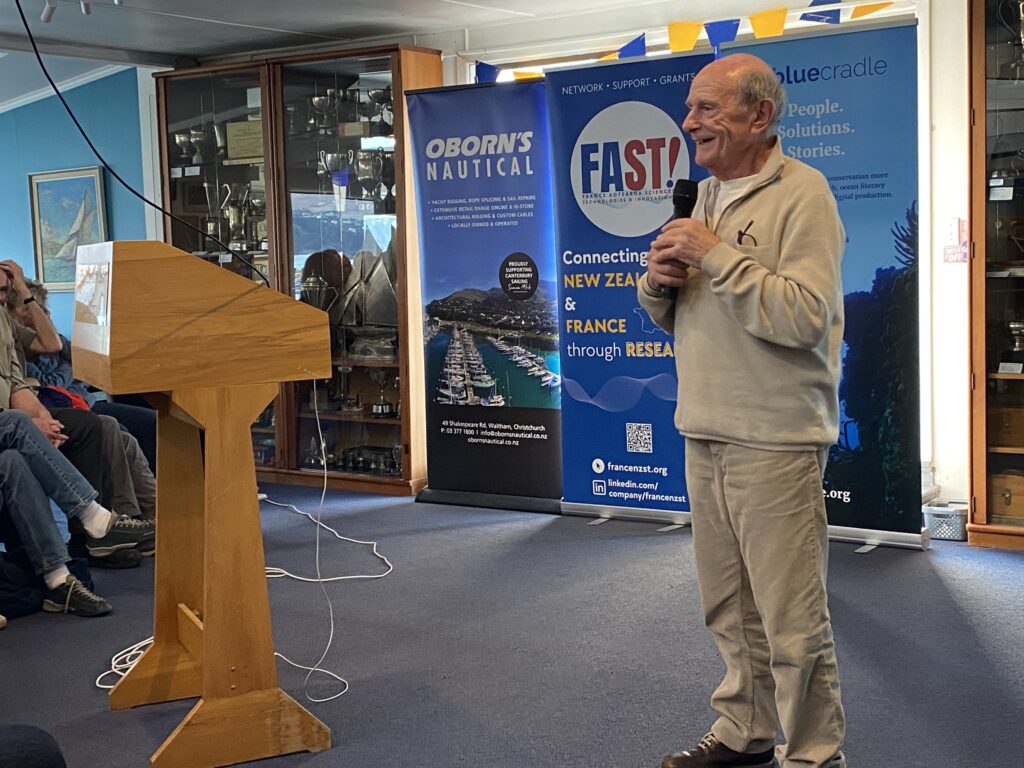
Jean-Louis Etienne then took the stage, guiding the audience through his extraordinary career. From his expeditions to the North Pole, his solo crossing of Greenland, to extensive scientific work in Antarctica, he shared vivid, often personal accounts of life in extreme environments — environments now undergoing rapid change. His storytelling blended adventure with deep scientific insight, illustrating how long-term observation in the polar regions reveals early warning signals for the entire planet. He also somewhat joked about his luck in the difficulties he faced, from making technical and engineering mistakes to having to fight polar bears in whiteout blizzards!
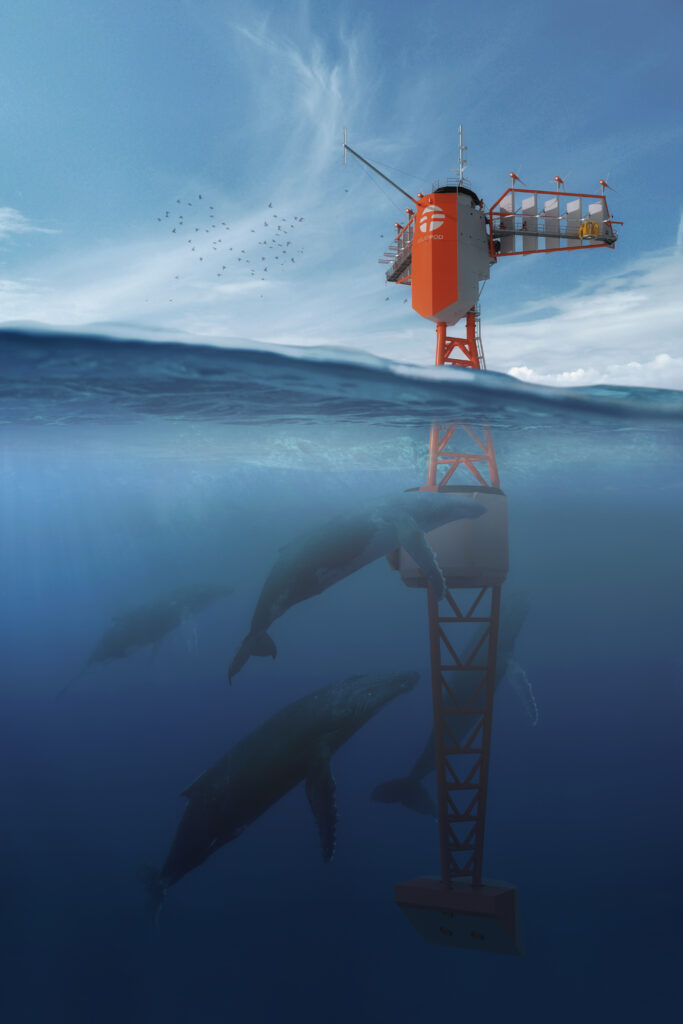
A central focus of the talk was the Polar Pod project: a pioneering vertical research vessel rising 75 metres above the ocean, designed to drift with Antarctic Circumpolar Current rather than cut through it. Jean-Louis explained how Polar Pod, crewed by rotating teams of scientists, will spend up to three years at sea, collecting unprecedented data on ocean-atmosphere interactions, biodiversity, and climate processes in the Southern Ocean. Powered primarily by renewable energy and built around endurance rather than speed, the vessel embodies a philosophy of perseverance — allowing science the time it needs to truly understand complex systems.
The evening concluded with a lively Q&A session, where the audience engaged deeply with questions of climate responsibility, international cooperation, and the future of polar research. The atmosphere was warm, reflective, and energizing — a reminder of the power of shared stories to reconnect people with distant, but vital, parts of our planet.
The event closed not with a sense of despair, but with renewed resolve: that through science, collaboration, and long-term commitment, there is still time to protect the polar regions — and in doing so, safeguard the future of the global ocean.
For more information about Polar Pod, visit their website.